Acne is one of the most common skin conditions, and it affects both teenagers and adults equally. Even though a lot of people treat acne as only a cosmetic issue, it can really damage confidence, self-esteem, and even the general look and feel of the skin. The good news is that with the right understanding, diagnosis, and care, acne can be controlled, and yes, it can also be reduced so it does not leave obvious permanent scars.
If you are looking for Acne Treatment in Jaipur, learning what actually triggers acne and reviewing the treatment options that exist is the first step toward healthier, clearer skin.
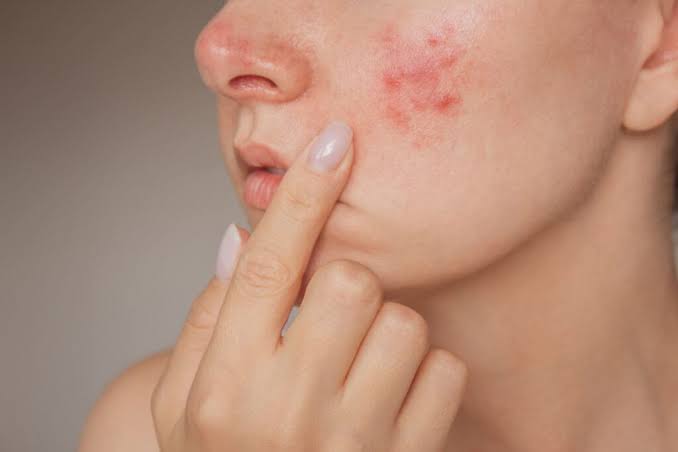
Acne is a skin problem that shows up when hair follicles get clogged with oil, also called sebum, plus dead skin cells and bacteria. With pores blocked like this, you can see multiple types of spots, such as blackheads and whiteheads, pimples, and deeper, painful cysts.
Even though acne often shows up during puberty because hormones are shifting around, it can hit people at any age. Adult acne is now more common, especially among women dealing with hormonal changes during certain periods of life. And yeah, it can be a little frustrating when it shows up later, not just in the teen years.
Acne happens from several connected things, not just one lone reason. When you notice which triggers are at work, future flare-ups can be less frequent.
Excess Oil Production
Skin has sebaceous glands that normally create oil to keep everything hydrated. Still, if too much sebum gets produced, pores can clog, and that can leave a good setup for acne-causing bacteria.
Hormonal Changes
Hormone fluctuations are among the most common reasons acne appears. Puberty, pregnancy, menstrual cycles, and conditions like PCOS may raise androgen levels, and that can push the skin to make more oil.
Clogged Hair Follicles
Dead skin cells do not always exfoliate as they should. When they stay put, they mix with oil and block pores. Those blocked follicles then become the beginning of acne spots.
Bacterial Growth
A naturally found skin bacterium, Cutibacterium acnes (formerly Propionibacterium acnes), increases inside plugged follicles, leading to irritation and visible redness.
Genetics
Family history really matters. If your parents had tough acne, you might face higher chances of getting it too.
Stress
Stress does not directly generate acne, but it can make ongoing flare-ups worse because it often triggers hormonal shifts that increase sebum output.
Some everyday behaviors can push acne along, for instance:
Common Symptoms of Acne
Acne can look different depending on severity and the specific issue happening under the skin.
Typical clues are:
Persistent inflammation may turn into lasting scarring, especially if it is ignored for too long. And yeah, it usually gets worse over time if untreated.
Knowing which one you have can guide the most useful plan for relief.
Whiteheads
These happen when the pores stay closed, then clog up with oil plus dead skin cells.
Blackheads
Open pores fill with oil, then oxidize after exposure to air, and that’s why you see the dark, black-ish look.
Papules
Small inflamed red bumps show up, and there is no visible pus.
Pustules
They look like papules; however, there is white or yellow pus right in the middle.
Nodules
Bigger sore lumps grow deep under the skin because the inflammation is more intense than usual.
Cystic Acne
This is the most severe type. Deep cysts are painful, they are stubborn, and without medical care, they are more likely to cause permanent marks.
Some people depend on home remedies or over-the-counter products for months, but nothing improves. A dermatology visit should be considered if:
Acne keeps coming back even when a regular skincare routine is followed.
Getting the right professional Acne Treatment in Jaipur at the proper time can help prevent lasting skin damage.
Modern dermatology provides multiple effective approaches, depending on how strong the acne is and what your skin type is.
Topical medicines
Prescription creams or gels may include active ingredients that reduce bacteria, unclog pores, and calm redness and inflammation.
Oral medicines
If the acne is moderate to severe, oral antibiotics or other medications might be needed to manage inflammation plus control bacterial growth.
Chemical peels
Skincare doctors may use gentle chemical solutions to exfoliate, lift dead cells, smooth the texture, and lessen acne marks.
Laser and light therapy
Advanced laser techniques can target acne-causing bacteria, while also lowering redness and supporting better skin recovery.
Treating Acne Scars
For people dealing with post-acne scars, things like microneedling, fractional laser resurfacing, and RF-based treatments can noticeably improve the overall skin texture, and it often feels like the surface becomes more even over time
Medical Skincare Programs
Dermatologists often set up a customized skincare plan, it helps regulate oil flow while also working to stop new breakouts from starting again
Acne is a skin problem that can be handled pretty well if it gets treated the right way. If you understand what triggers it, notice the various types, and also pick the proper approach, your skin health and confidence can improve a lot. Everyone’s skin behaves in a different way, so a professional check is really needed to get the best results. No matter if your acne is mild or more intense, getting medical help early can support clearer skin and also lower the chances of lasting scarring. For customized, advanced skin care options, Jaipur Cosmetic and Antiageing Clinic offers specialist treatments that focus on acne relief while supporting long-term skin wellness.